
About Sada Yoga
Can you relate?
Are you someone who often feels overwhelmed and stressed with the chaos of life, but wishes that you could feel more relaxed and capable of dealing with life’s challenges? I know how that feels, and I’m confident that yoga can help, so…
- If you want to connect to yourself on a deeper level with a spiritual practice
- If you want to learn effective tools to help regulate your body and mind so you feel more relaxed
- If you believe that there is another way to living and experiencing the world that differs to your current circumstances
- And if you desire to use your body and mind to create strength, flexibility and resilience in all areas of your life…
Then Sada Yoga is for you.
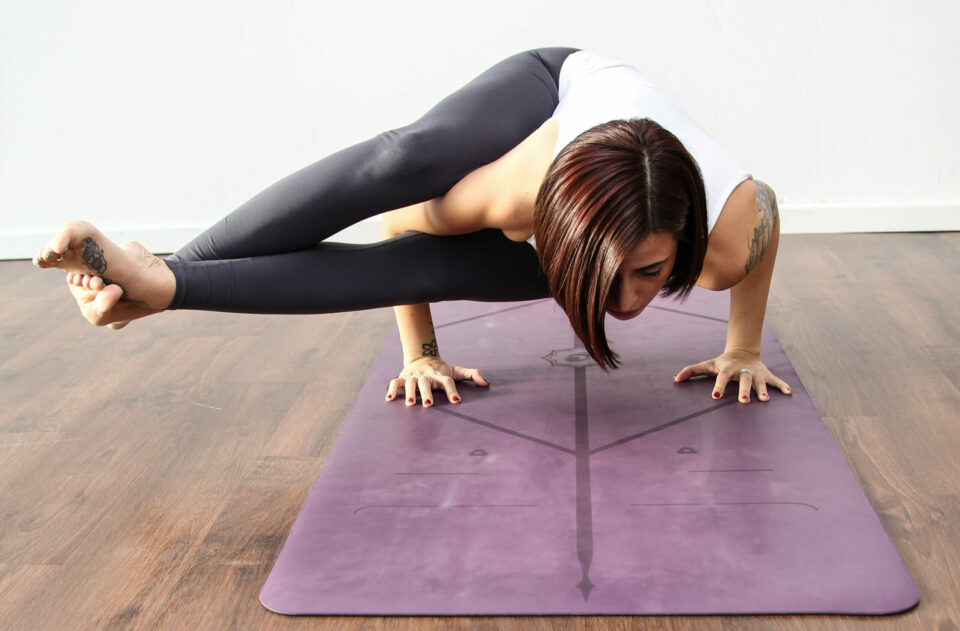
Here’s My Story
Hi, my name is Sayeeda Alam, and I help frustrated souls find inner-peace and the space to grow with yoga. If this is something that appeals to you then let me tell you, there is another way to live.
With Yoga you can begin to feel more relaxed and present in your body and mind, allowing you to feel more confident and capable to deal with life’s challenges.
I speak from experience, when I say that this practice has the power to transform your life. Im an addict in recovery who until the age of 27 spent life feeling lost, overwhelmed and out of control.
But now I have an established practice of 8 years, life has a very different story.
I found a new way to live and so can you
Yoga gifted me the possibility to live my life differently. Instead of staying stuck in my suffering, the physical and mental practices taught me new ways to deal with the chaos in my life. They also provided me with a sense of self acceptance, so I no longer felt the need to act out with destructive behaviour patterns when things got tough. It gave me a new lease of life, and a healthy, strong body that I now treat with love, respect and kindness. Yoga profoundly changed my life, in ways I never even thought possible.
I am blessed to share the gift of yoga with the world and my community and I am so grateful to be able watch my students start to feel better as they deepen their connection to themselves and their practice.
I use various styles of yoga, eastern systems, and modern science and psychology to create a holistic approach to healing and transformation. I provide a safe and welcoming space to support students to explore their bodies and minds, learn how to relax, and begin their process of transformation.
Hatha | Ashtanga | Yoga Nidra | Meditation | Breath work | Yoga for Stress, Anxiety and Addiction.
200 Hours Hatha,
Yoga Yoga Alliance
30 Hours Yoga Nidra,
Yoga Alliance
60 Hours Mastering The Addictive Personality, Yoga Alliance
99 Hours Applying Ayurveda,
CPD Certification Service